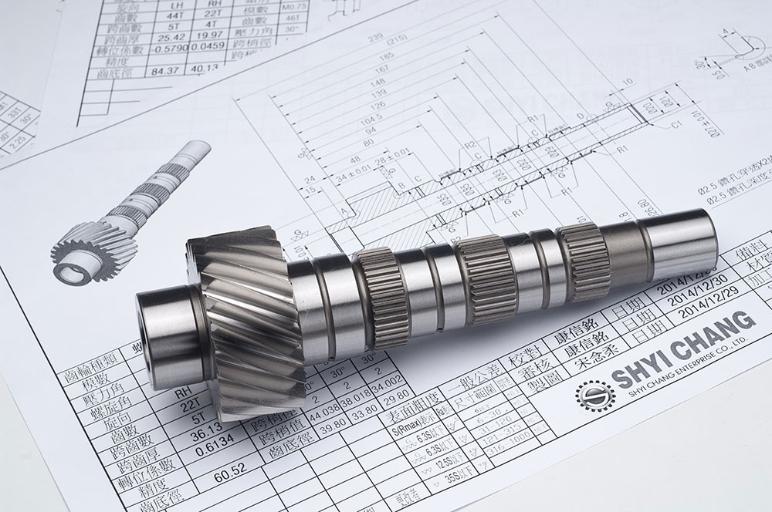
Precision Gear Manufacturing Guide: Optimizing Performance & Sourcing Strategies for B2B Procurement
In the rapidly evolving landscape of modern mechanical systems—spanning Electric Vehicles (EVs), industrial robotics, and high-end automation—gears are the silent heroes determining system performance. For procurement managers and engineers, sourcing from a reliable custom gear manufacturer is no longer just about buying parts; it is about securing efficiency, reducing noise (NVH), and ensuring long-term durability.
This comprehensive guide explores the essentials of precision gear manufacturing, details specific gear types, and offers actionable insights for sourcing customized gear solutions to help you mitigate development risks.
What Defines a Precision Gear?
For a custom gear manufacturer, achieving precision means delivering:
- Geometric Accuracy: Exact tooth profile and pitch to minimize transmission error.
- Surface Quality: Optimized finish for reduced friction and wear.
- Consistency: Minimal variation between batches to ensure stable mass production.
Simply put, high-precision gears are the key to achieving higher torque density, lower noise, and extended service life in critical applications.
Comprehensive Guide to Gear Types and Selection
Different applications demand specific gear characteristics. Understanding these distinctions is crucial when communicating with your supplier.
Spur Gears
Spur gears are the most common type of gear due to their simplicity and efficiency. However, high-speed applications require exceptional manufacturing quality to manage noise.
- Key Attributes: High power transmission efficiency, no axial load.
- Sourcing Tip: When looking for a spur gear supplier or spur gear manufacturer, ask about their profile modification capabilities to optimize tooth contact and reduce noise at higher speeds.
Helical Gears and Shafts
Helical gears offer smoother engagement and quieter operation compared to spur gears, making them ideal for automotive and high-speed machinery.
- Key Components: This category includes the helical gear shaft, helical pinion shaft, and standard helical gears.
- Sourcing Tip: As a helical gear manufacturer, we emphasize that managing the axial thrust generated by these gears is critical. Ensure your helical internal gear manufacturer understands the bearing load implications in your design.
Internal Gears
Used primarily in planetary gear systems, internal gears allow for compact designs with high reduction ratios.
- Variations: These can be designed as an internal spur gear design or an internal helical gear.
- Sourcing Tip: Manufacturing internal gears requires specialized shaping or skiving equipment. Always verify that your internal gear manufacturer has the specific tooling capabilities to maintain pitch accuracy for these complex components.
Bevel Gears
Bevel gears are essential for changing the direction of shaft rotation, usually by 90 degrees.
- Types: Ranges from straight bevels to spiral bevels. A spiral bevel gear manufacturer focuses on gears that offer higher load capacity and smoother running than straight bevels.
- Sourcing Tip: Whether you are contacting bevel gear suppliers or a specialized bevel gear manufacturer, strict control of the contact pattern is vital for assembly and longevity.
Worm Gears and Wheels
Worm drives are unique for their high reduction ratios and self-locking properties.
- Components: This system comprises the worm screw and the worm wheel.
- Sourcing Tip: Material pairing is critical here (often steel worm with bronze wheel). A competent worm gear supplier or worm gear manufacturer must precisely control the friction properties. Similarly, worm wheel suppliers and worm wheel manufacturers should advise on the best bronze alloys for heat dissipation and wear resistance.
The Manufacturing Process Behind Precision Gears
Achieving the standards of precision gear manufacturing requires a tightly integrated process flow. Shyi Chang ensures quality at every step:
- Material Selection: Rigorous inspection of steel grade and cleanliness.
- Rough Machining: Turning and milling to establish precise datum surfaces.
- Gear Cutting: Utilizing advanced hobbing, shaping, or skiving technologies.
- Heat Treatment: Carburizing, nitriding, or induction hardening to achieve required hardness.
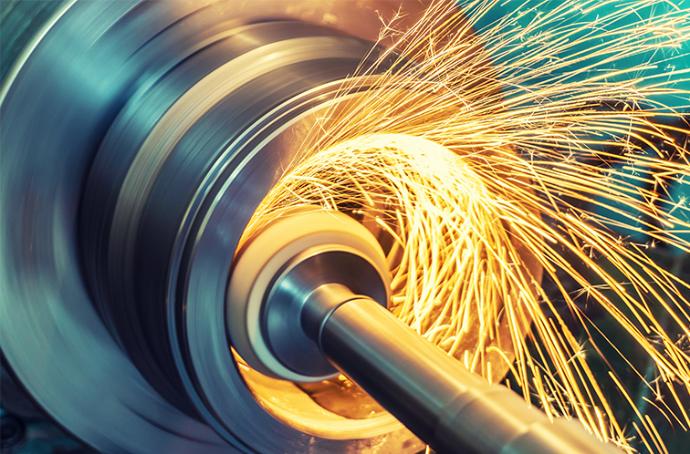
- Finish Machining: Grinding or honing to achieve final dimensional accuracy and surface finish.
- Quality Control: Comprehensive inspection of profile, lead, pitch, and runout.
Key Considerations for Procurement and Engineering Teams
Sourcing industrial gears can be complex. To streamline the RFQ process and reduce development time, consider the following checklist when engaging with a custom gear manufacturer:
- Define the Application: Is it for an EV, a robot, or a heavy machine? This dictates the required accuracy class (e.g., DIN 6 vs. DIN 8).
- Specify Loads and Speeds: Torque and RPM data help suppliers optimize profile modifications.
- Material & Heat Treatment: Clearly state hardness requirements (HRC) and core strength needs.
- NVH Requirements: If noise is a concern, specify it early. A helical gear manufacturer can suggest design tweaks to minimize transmission error.
- Batch Consistency: For mass production, ask how the supplier ensures lot-to-lot consistency.
FAQ: Common Questions from Procurement Teams Regarding Precision Gears
Sourcing high-quality gears often involves balancing cost, quality, and lead time. Here are the answers to the most frequent questions we receive from procurement professionals.
Not necessarily. While higher precision implies better performance, it also increases manufacturing costs and lead times. We recommend determining the grade based on your specific requirements for RPM, noise levels, and assembly sensitivity. Avoid "over-specifying" to keep your project cost-effective.
The devil is in the details. Common reasons for price discrepancies include:
- Finishing Processes: Does the quote include post-heat treatment grinding?
- Inspection Scope: Are comprehensive profile checks included?
- Material Strategy: Differences in steel sourcing and heat treatment methods.
- Yield Risk: Whether the supplier has factored in mass production yield rates.
Always ensure you are comparing "apples to apples."
They can, but it carries risk. Leaving it open invites "misalignment of expectations" where the supplier's standard may not meet your needs. To control risk, we strongly suggest providing at least a target grade (e.g., DIN 7) or defining key measurement criteria and acceptance values.
Grinding is vital, but not the whole picture. Low NVH (Noise, Vibration, Harshness) performance depends on a holistic approach:
- Optimized tooth profile design.
- Proper backlash control.
- Management of heat treatment distortion.
- Assembly concentricity.
Even factors like lubrication and housing rigidity play a role.
Follow a structured validation process. We recommend this workflow for new projects:
- DFM (Design for Manufacturing) review.
- Prototyping (Sampling).
- FAI (First Article Inspection) report approval.
- Pilot Run (Small batch trial).
- Mass Production.
Aligning on measurement items and acceptance criteria before starting is the best way to ensure success.
Why Choose Shyi Chang as Your Gear Partner?
Shyi Chang Gear Enterprise Co., Ltd. goes beyond being a typical supplier; we are a strategic partner in power transmission. Whether you need a reliable spur gear manufacturer, a specialized worm wheel manufacturer, or a comprehensive custom gear manufacturer, we support your project from concept to mass production.
Our Core Advantages:
- Engineering Expertise: We assist in DFM to optimize internal spur gear design and other complex geometries.
- Integrated Capabilities: From helical gear shafts to spiral bevel gears, our facility handles diverse gear types under strict quality protocols.
- Global Standards: We deliver customized gear solutions that meet international standards for automotive, automation, and industrial machinery.
Summary
Precision gears are critical performance enablers. By understanding the nuances of gear types from helical gears to worm gears and selecting a supplier with robust manufacturing control, you can significantly improve system reliability.
Ready to optimize your gear design?
Contact Shyi Chang, your trusted custom gear manufacturer, and let us help you turn your engineering concepts into high-precision reality. Contact Shyi Chang today!